


Brainster Quiz
4.8502.00 Reviews
App Specs
- Version
- 1.46
- Updated On
- License
- Free
- Downloads
- 100,000+
- Developer
- Aparteko Games
- Categories
- Trivia
- Platform
- Android
Screenshots
 Analysis by AppCompare
I like trivia games best when they give me a clear reason to play one more round without making every session feel like a test. Brainster Quiz is a free trivia game from Aparteko Games, and its appeal is the simple promise of putting your knowledge to work while keeping the contest lively. I’d consider it for a spare moment at home or a casual challenge with friends, rather than as a deep study tool. Its overall rating is 4.8 from around 3.8 thousand ratings, and it has passed 100 thousand installs, which suggests that plenty of players enjoy this style of quick competition.
A small goal makes it easy to begin
The first useful question for a new player is not whether they can master every topic, but whether they can enjoy a round without needing to prepare. Trivia works well as a low-commitment activity: I can start with the subjects I already like, then use unfamiliar questions as a reason to broaden my knowledge. That makes the early goal pleasantly simple—answer what I can, notice what catches me out, and decide whether I want another round.
For a realistic everyday use, imagine waiting for a friend at a café. A short trivia session can fill that gap more engagingly than scrolling through unrelated posts, and a question you miss can become an easy conversation starter when your friend arrives. I would keep the session casual rather than turn it into a serious score chase; the fun comes from mixing confidence with occasional surprises.
What progress should feel like
In a trivia game, progress is more satisfying when it means more than a number going up. I look for signs that I am becoming quicker at recognizing topics, remembering facts, or spotting where my knowledge is thin. Even without treating every result as a verdict on intelligence, a run of questions can show me which subjects feel comfortable and which ones deserve another look.
A practical tip is to pay attention to the questions you miss, not only the ones you get right. If a question introduces an unfamiliar fact, try to recall it later in the day or explain it to someone else. That small habit turns a quick game into a more useful learning break, while avoiding the pressure of pretending that every round needs to be productive.
Challenge, pacing, and the urge to continue
The best trivia pacing leaves room for both easy wins and moments of doubt. If every question is obvious, the game can become background noise; if every one feels obscure, it becomes tiring. I enjoy this kind of format most when I can move between confidence and challenge without feeling punished for not knowing a niche fact. That balance is also why short sessions suit trivia better than forcing myself to keep playing after my attention has wandered.
Competition can add energy, especially when the other player is someone I know. It can also change the mood: a friendly match makes a quiet wait more entertaining, while comparing scores too seriously can make casual play feel like an exam. I’d use the competitive side as a prompt to engage, not as proof that one person is smarter. A good rival is someone who keeps the exchange fun even when the score swings.
Worth Reading Before You Choose

Flipboard Shows What News Apps Must Do Beyond the Feed

Switching to Android Auto Means Rethinking Your Driving Routine

Google Calendar Makes a Crowded Week Easier to Manage

Ludo King Makes the Most of the Minutes Between Plans

Baby Panda World Brings Quick Play to Modern Phones, but Its Game Library Feels Busy

ESPN’s Live Game View Makes Following Close Games Easier
Who will enjoy it, and who may prefer another style
This is a natural fit for people who like general-knowledge challenges, enjoy testing themselves across subjects, or want a light game that can prompt conversation. It is less suitable for someone looking for a story-driven adventure, a carefully structured course, or a specialized reference tool. If your goal is to learn one subject systematically, a dedicated learning app or a book will usually offer a more coherent path than hopping between trivia questions.
Compared with a solo quiz book or a simple daily-question game, a competitive trivia experience can feel more social and immediate. A book is easier to use at your own pace and may be better for reflective study; a daily puzzle can offer a focused ritual; a broader quiz game is the better pick when variety and rivalry matter more. I would choose based on the mood I want, rather than expect one format to replace all the others.
First Impressions
When you first open the Brainster Quiz, you're greeted with a vibrant and user-friendly interface. It's clear that the developers put a lot of thought into making the app easy to navigate. The colors are bright without being overwhelming, and the layout is intuitive. No need to dig through complicated menus to get to the fun stuff.
One thing that caught my eye right away is the range of categories available. Whether you're a history buff, a science lover, or someone who thrives on pop culture, there's something here for you. The app caters to a wide array of interests, making it a perfect fit for trivia lovers from all walks of life.
Diving into the Gameplay
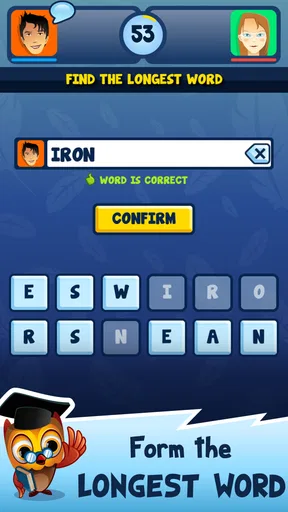
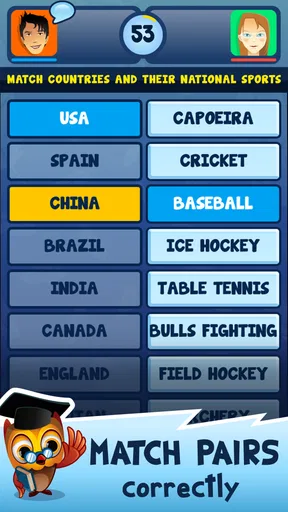
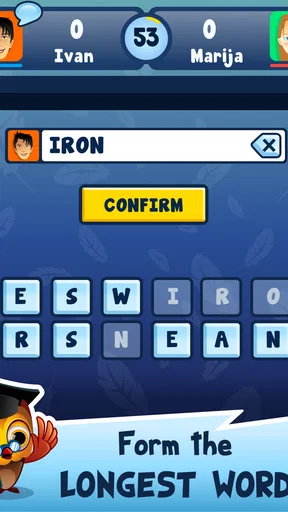
The gameplay is straightforward yet addictive. You can choose from different modes, like timed quizzes or leisurely rounds where you can take your time pondering each question. The questions are well-crafted, with a good mix of difficulty levels. Some questions made me feel like a genius, while others had me scratching my head.
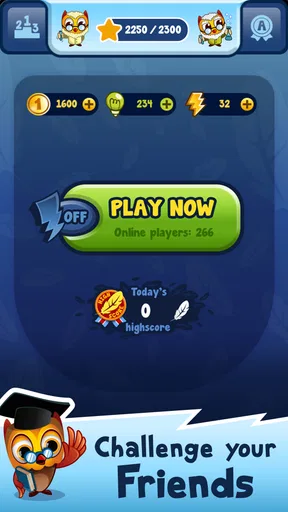
One feature I particularly enjoyed is the ability to compete against friends or other players worldwide. This adds a layer of competition that makes the game even more engaging. It's not just about answering questions; it's about proving you know more than your friends. And trust me, there’s nothing like the sweet victory of outsmarting your buddies!
Learning and Fun Combined
What sets it apart is its educational value. While it's fun to play, it's also a fantastic way to learn new things. Each question comes with a brief explanation, so even if you get it wrong, you're still walking away with a nugget of knowledge. It's like a mini-lesson in every round.
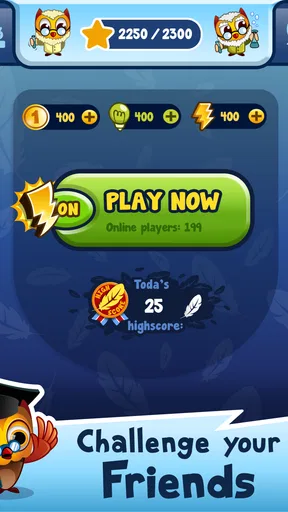
For those who love to keep track of their progress, the app offers a neat feature that shows your stats and achievements. You can see how you stack up against other players and identify areas where you might need a bit more practice. It’s a great motivator to keep improving.
Navigation and Usability
One of the strong points of the app is its smooth navigation. Switching between categories and modes is seamless, and there are no annoying ads popping up every few seconds to interrupt your flow. It’s refreshing to see an app that respects the user experience.
Moreover, the game runs smoothly on both Android and iOS platforms. I didn't encounter any bugs or crashes, which is always a plus in my book. The developers clearly took the time to iron out any kinks before launching.
Keeping the challenge enjoyable
For me, the most useful way to approach a trivia game is to treat a result as a snapshot, not a permanent measure of ability. Familiar subjects can make an early run feel easy, while a category outside my usual interests can make the same player feel suddenly out of their depth. If I want a fairer sense of how I am doing, I would rotate categories instead of repeatedly choosing the ones where I already feel strongest.
That choice also helps with pacing. A timed round is a better match for a quick burst of energy, while a more relaxed quiz suits a moment when I want to think through an answer. I would avoid starting a timed challenge when I am distracted or trying to multitask: the pressure can make missed answers feel more frustrating than informative. When concentration is low, choosing a calmer session—or simply stopping—is a sensible way to keep the game enjoyable.
Small habits that make each round more useful
One non-obvious way to get more from explanations is to pause briefly after a surprising answer and put the fact into my own words. That is more memorable than moving straight to the next question, and it gives the learning element a purpose without turning play into homework. I would also notice whether I missed a question because I lacked the fact or because I rushed; those are different problems, and only the second is likely to improve just by slowing down.
When playing with a friend, I find it helps to agree on the mood before comparing results. If we are there for a laugh, we can trade guesses and talk about the explanations; if we want a close contest, we can focus on answering independently. This small distinction prevents friendly competition from becoming a scorekeeping argument and makes the social element work for different kinds of players.
Practical expectations before you install
The game is free to download and is rated for Everyone, so it is accessible as a casual choice for a broad audience. It includes optional in-app purchases, with items ranging from $1.99 to $49.99, so I would check purchase prompts carefully if I were setting it up for a child or trying to keep spending under control. The game is on version 1.42, was released on May 21, 2015, and requires Android 4.4 or later. Those details make it easier to judge whether it fits an older device and your preferences before you begin.
A common question is whether this is better for solo play or for a group. I’d pick it for either, but the reason changes: alone, I can use questions and explanations to explore weak spots; with friends, the contest gives each answer more immediate stakes. If I mainly want quiet, self-paced study, I would choose a learning resource built around a subject instead. If I want to compare knowledge and keep the mood light, trivia is a better fit.
Final Thoughts
All in all, this is a strong option for anyone who loves a good mental challenge. It combines fun, learning, and a bit of friendly competition all in one neat package. Whether you're killing time on your commute or looking to impress your friends with your newfound knowledge, this app has got you covered.
If you're ready to give your brain a workout, you can download it from the App Store or Google Play. Trust me, once you start playing, you'll find it hard to put down. Happy quizzing!
Pros
- Engaging trivia questions enhance knowledge.
- User-friendly interface is easy to navigate.
- Regular updates keep content fresh and exciting.
- Multiplayer mode for competitive play with friends.
- Offline mode available for on-the-go fun.
Cons
- Limited categories may bore some users.
- Ads can be intrusive during gameplay.
- Requires internet for certain features.
- Occasional bugs affect game performance.
- In-app purchases can be pricey.
FAQs for Brainster Quiz
What is Brainster Quiz and how does it work?
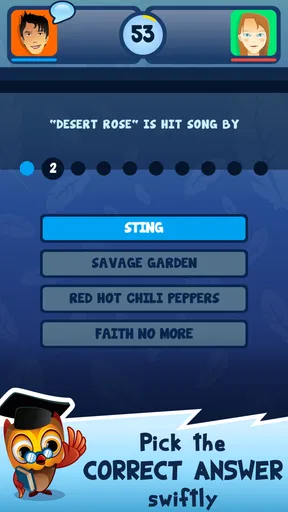
Brainster Quiz is a trivia-based app designed to challenge your knowledge across various topics. It features multiple-choice questions that cover areas like science, history, pop culture, and more. Users can play solo or compete with friends in real-time quizzes, earning points and badges as they progress.
Is Brainster Quiz free to download and play?
Yes, Brainster Quiz is free to download on both Android and iOS platforms. The app offers in-app purchases for additional features, such as removing ads or unlocking exclusive quiz packs. These purchases are optional, and you can enjoy the core experience without spending money.
Can I play Brainster Quiz offline?
Brainster Quiz requires an internet connection to access its full range of features, including real-time multiplayer matches and leaderboard updates. However, you can play some quizzes offline, but your progress and scores will sync only when you reconnect to the internet.
How does Brainster Quiz ensure a fair gameplay experience?
Brainster Quiz uses an algorithm to match players of similar skill levels in multiplayer mode, ensuring competitive balance. The app also updates its question database regularly to minimize repeated questions and provides a reporting feature for users to flag any incorrect or inappropriate content.
What age group is Brainster Quiz suitable for?
Brainster Quiz is designed for users aged 12 and up. The questions range in difficulty to appeal to a broad audience, making it suitable for teenagers and adults alike. Parental guidance is recommended for younger players due to the variety of topics and potential exposure to challenging content.


